Renovating your home? How to survive the work (and keep your furniture dust-free)
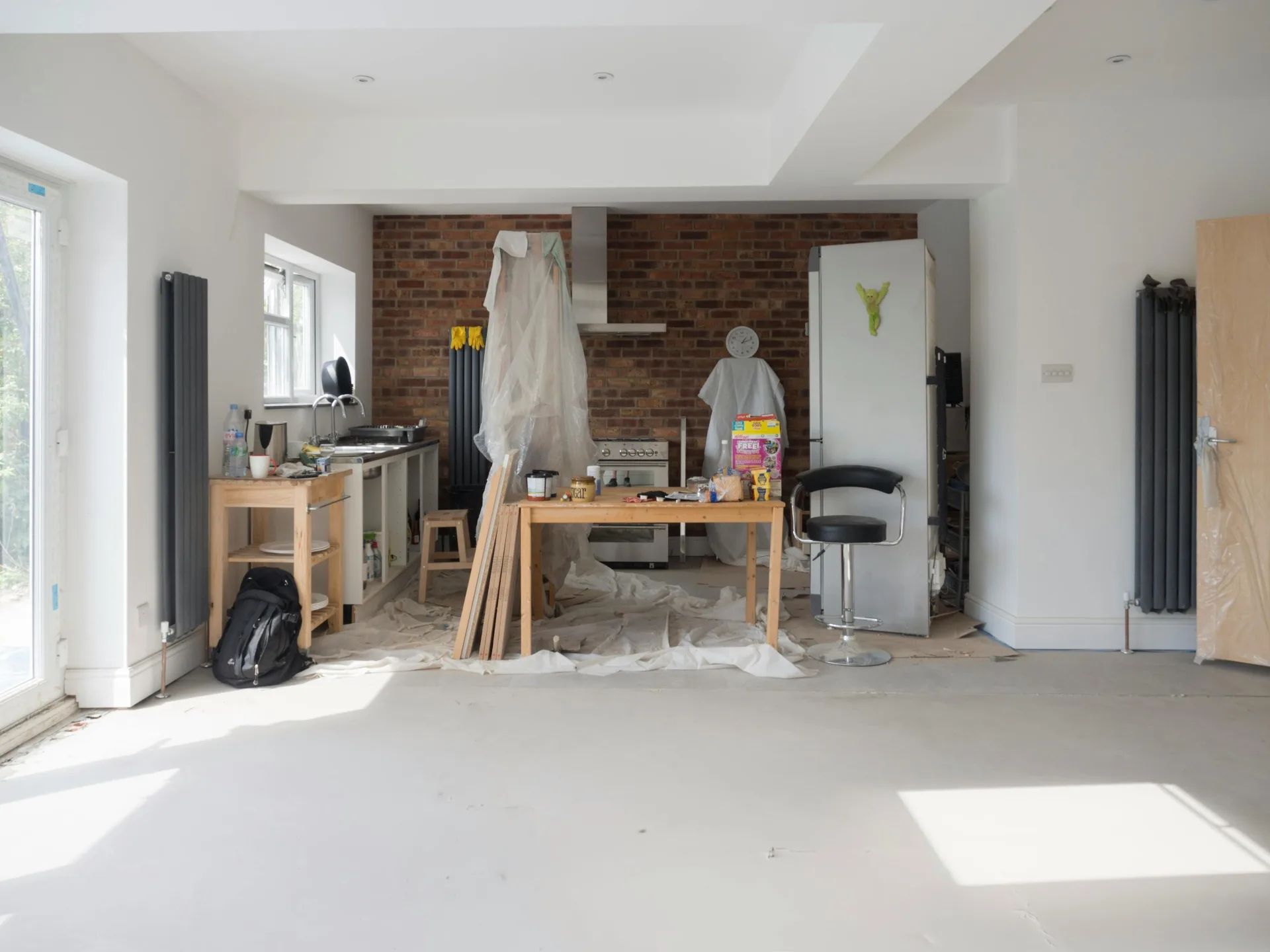
Belgians are said to be born with a brick in their stomach. The result? We renovate on a massive scale. A new kitchen, insulating the attic or giving the bathroom a modern makeover: we like to roll up our sleeves. But anyone who has ever held a demolition hammer knows one thing for certain. Demolition creates dust. A lot of dust.
Fine dust gets absolutely everywhere. It ignores plastic sheeting, slips through the smallest gaps around doors and settles deep into the fibres of a fabric sofa. Before you know it, your valuable belongings have turned into a grey, desolate landscape. How do you survive that logistical stress without permanently damaging your furniture? The solution is simple: create breathing room in your head and your home with storage during your renovation.
Why plastic sheeting does not protect your furniture
Many renovators make the same mistake. They move the dining table and sofa to the middle of the room, throw cheap plastic sheeting over them and hope for the best. Spoiler alert: it does not work.
Cutting channels or demolishing walls creates a constant airflow filled with microscopic construction dust. Every time you enter the room, you move that air. Dust drifts underneath the sheeting and clings to textiles. Temperature changes during renovation can also cause condensation beneath plastic. That moisture can warp wooden cabinets or encourage mould in mattresses.
Want to protect your furniture during renovation? The hard truth is that it needs to leave the danger zone. Only when the room is completely empty can you work efficiently without constantly worrying about scratches, dents or stubborn dirt. Professional furniture storage is often the only real solution.
The logistical puzzle: move it or leave it?
A major renovation requires tight planning. You can keep dragging your belongings from one room to another, but anyone who has tried it knows how exhausting that is. You are literally moving the chaos from side to side. The risk of damage during transport inside the house is also very high. It only takes one cabinet corner to hit a freshly plastered wall.
Temporarily storing your belongings elsewhere brings peace of mind. Official guidance from Flanders on renovating shows how many contractors and deadlines are involved in a thorough renovation. An empty building site simply works faster and more economically. Electricians and plumbers can work without obstruction, significantly shortening the total duration of your project.
Room for your belongings, space for your dreams. A successful renovation starts with an empty site.
Temporary storage during renovation: what should you look for?
If you choose external storage, do not blindly select the first damp garage nearby. Your furniture deserves better. Consider these three crucial factors when choosing temporary renovation storage:
1. A dry and controlled environment
Moisture is the greatest enemy of wood, leather and textiles. A good storage unit stays dry and ventilated. Fluctuating humidity makes wooden furniture expand and contract, which can cause drawers to jam or cracks to appear.
2. Flexibility without paperwork
Renovations almost always take longer than planned. It is the unwritten law of construction. Contractors may be delayed and material deliveries postponed, so you do not want to be trapped in a rigid contract. Look for a solution that lets you extend flexibly and makes your unit available immediately when you need it. View our transparent storage options without hidden costs.
3. Easy and quick access
Nothing is more frustrating than waiting for an office to open before you can reach your own tools or documents. You need a storage facility that you can enter between 6 AM and 11 PM using your smartphone, without physical keys that can disappear on site.
How much storage space do you really need?
The biggest pitfall when renting extra space is overestimating the number of square metres. You often need far less room than you think if you stack smartly. The contents of an average living room fit surprisingly well into a compact unit because you can use the full height.
Consult independent organisations such as the Federation of European Self Storage Associations (FEDESSA) for general volume guidelines, or use our online space calculator. Dismantling cabinets, placing sofas upright and stacking moving boxes tightly can significantly reduce your monthly cost.
Checklist: preparing your belongings for transport
Ready to take the plunge and clear the site completely? Run through this quick checklist first to prevent transport damage:
- Clean everything thoroughly: Make sure furniture is free from grease and dirt before storage; these can attract pests or mould.
- Use breathable materials: Replace plastic sheeting with professional moving blankets or sheets. They protect against impact while allowing air to circulate.
- Dismantle what you can: Remove table legs and take large cabinets apart. This saves space in your unit and makes lifting much safer for your back.
- Label boxes strategically: Write the contents and destination room on the side of each box, not on the top.
Sorted today, without the hassle
A renovation already demands enough energy and flexibility. The logistics of your belongings do not need to be complicated. No paper contracts and no waiting times: book your space online in less than two minutes and your unit is ready. That lets you focus on what really matters—turning your house into a home.
Our locations in Mortsel, Deurne, Brasschaat, Merksem and Aalter are ready to take the stress out of your renovation. Book your unit online in less than two minutes or schedule a no-obligation visit to a location near you.
Ready to store your belongings safely?
Discover our storage locations or book directly online.